EMF Protection at its Finest

How to Block EMF from Electrical Outlet 5 Best Methods
Electricity is an essential part of modern life. Nearly every home relies on electrical wiring, outlets, appliances, and wireless devices to function daily.
Because of this, many people ask:
Do electrical outlets emit electromagnetic fields (EMFs), and should we be concerned?
This article separates fact from misconception and provides practical, science-aligned guidance.
What Is EMF?
EMF stands for electromagnetic field. These fields are generated whenever electricity flows.
There are two main types found in homes:
- Low-frequency (ELF) fields from wiring, outlets, and electrical panels
- Radiofrequency (RF) fields from Wi-Fi, Bluetooth, and cell phones
In most homes, measured EMF levels from outlets are relatively low. However, modern living environments include a growing number of electrical and wireless sources operating continuously throughout the day and night.
Because of this, many individuals choose to take a more proactive, informed approach, focusing on reducing overall exposure where it matters most, especially in spaces like the bedroom where the body spends extended, uninterrupted time.
Do Electrical Outlets Emit EMF?
Yes, but at very low levels.
An electrical outlet can produce a small electric field when voltage is present, even if nothing is plugged in. However:
- Magnetic fields occur primarily when current is actively flowing
- EMF strength decreases rapidly with distance
- Moving even a short distance away significantly reduces exposure
In most homes, outlets are not a major source of overall EMF exposure. Higher levels are typically associated with active devices, dense wiring areas, or high-current appliances.
At Redemption Shield, we emphasize understanding how exposure accumulates across multiple sources, not just individual outlets. Small sources can add up over time, especially in spaces where you spend extended periods, such as sleeping areas.
Because of this, many individuals choose to focus on simple, measurable strategies like increasing distance and reducing unnecessary exposure where it matters most.
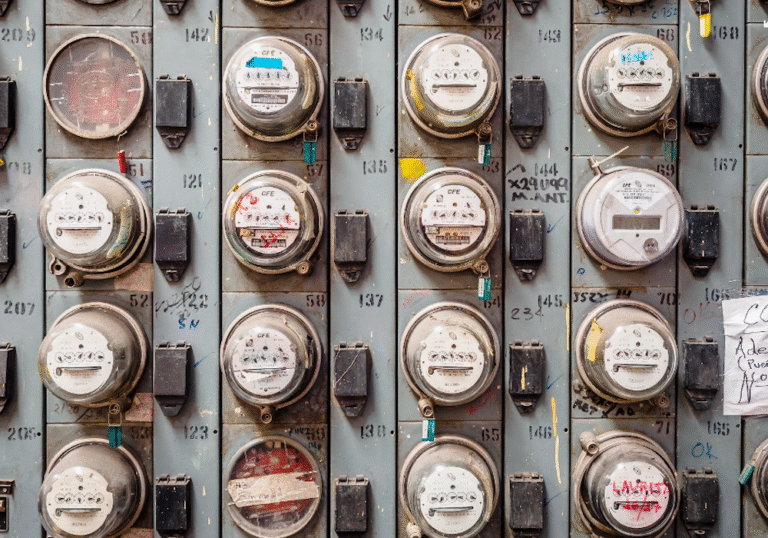
What About Smart Meters?
Smart meters some of the higher radiofrequency (RF) signals as part of their communication systems.
- Transmission is intermittent, but occurs repeatedly throughout the day, large dumps happen at night
- Placement is often directly on exterior walls of the home
- This can position this dangerous source very close to sleeping or living areas
While some sources of EMF are used at a distance or intermittently, smart meters are unique in their placement and proximity to the body.
At Redemption Shield, we emphasize that this type of exposure should not be overlooked.
When a smart meter is located on the other side of a bedroom wall, the body may be exposed for extended periods, especially during sleep. For this reason, it becomes one of the most important areas to address in a home environment.
Rather than attempting to contain the signal externally with covers or shielding from the outside, many individuals choose to focus on shielding from within the home, creating a barrier between the source and the body.
This approach prioritizes what matters most: reducing exposure where you spend the most time, especially during rest and recovery.
Practical Ways to Reduce EMF Exposure at Home
While current research does not confirm that normal household EMF levels cause direct harm, some individuals choose to reduce exposure as a precaution. Here are reasonable, practical steps:
1. Increase Distance
EMF strength decreases significantly with distance. Avoid placing beds, desks, or seating areas directly next to electrical panels or high-current appliances.
Distance is one of the most effective and simple exposure-reduction strategies.
2. Turn Off Devices When Not in Use
Reducing active electrical load lowers magnetic field levels. Turning off unused electronics and unplugging devices can minimize unnecessary exposure and reduce energy consumption.
3. Be Mindful of Extension Cords and Power Strips
Extension cords and power strips can produce small magnetic fields when carrying current. Avoid running them directly under beds or seating areas when possible.
Organizing wiring and keeping cords away from prolonged body contact is a simple precaution.
4. Use Wired Connections When Possible
Switching from wireless to wired (Ethernet) connections reduces radiofrequency exposure from Wi-Fi.
This is a common step for individuals seeking a lower-RF home environment.
5. EMF Shielding Products
Some homeowners choose shielding fabrics, grounded materials, or shielded cables. It’s important to note:
- Shielding should be implemented carefully.
- Improper installation can sometimes reflect or redirect fields rather than reduce them.
- Professional measurement is recommended before investing heavily in shielding solutions.
Is It Safe to Sleep Near an Outlet?
A standard wall outlet on its own produces low-level fields. However, what matters most is proximity and duration of exposure, especially during sleep.
At Redemption Shield, we emphasize that sleeping areas should always be evaluated carefully.
If a bed is placed directly against a wall with active wiring, outlets, or nearby electrical sources, the body may be exposed continuously for hours at a time. This is why we recommend avoiding direct contact with walls where electrical activity is present, particularly in sleeping environments.
More importantly, outlets are often part of a larger system that includes wiring behind walls, connected devices, and nearby circuits. These combined sources can contribute to overall exposure in ways that are not always obvious.
For this reason, many individuals choose to:
- Move the bed a few feet away from walls with outlets or wiring
- Avoid sleeping near electrical panels or large appliances
- Reduce or shut off unnecessary circuits in the bedroom when possible
For those looking to take a more proactive approach, additional solutions may be used to create a more controlled sleep environment:
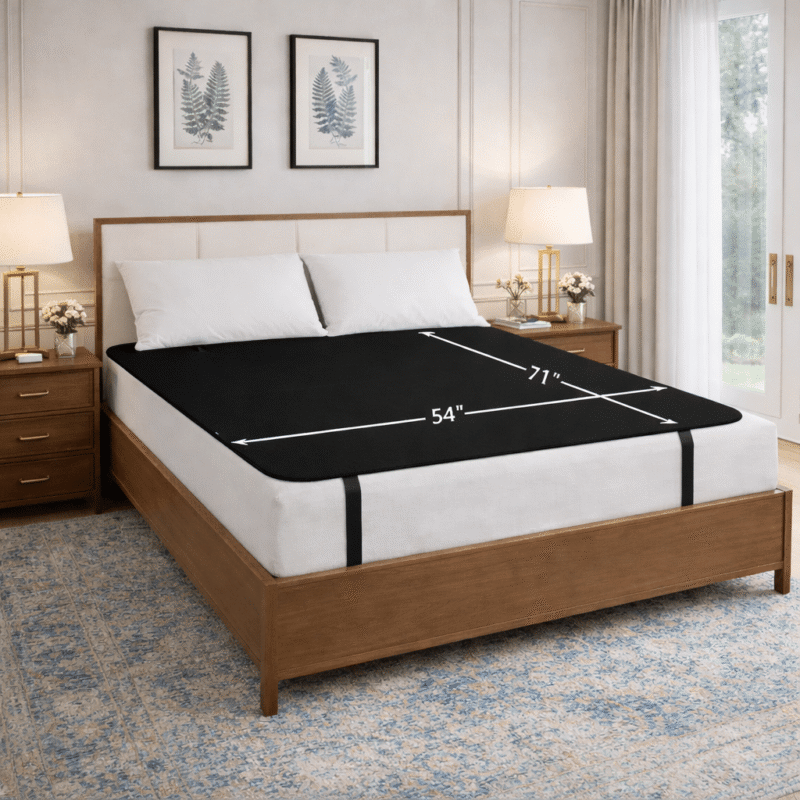
- EMF shielding bed canopies to reduce incoming wireless exposure around the sleep space
- Grounding sheets or mats to support the release of built-up electrical charge while resting
The goal is simple: minimize prolonged, close-range exposure during the hours your body is meant to rest and recover.

Do Harmonizers in the outlets solve the problem?
EMF harmonizers, especially plug-in or outlet-based devices, are often marketed as a way to neutralize or balance electromagnetic fields in the home.
However, it’s important to understand how they differ from exposure-reduction methods.
Outlet harmonizers do not physically block, shield, or reduce measurable EMF levels. Instead, they are designed to interact with electromagnetic fields in a way that may influence how they are experienced.
For individuals searching for ways to reduce EMF exposure in the home, especially in bedrooms, this distinction is critical.
Effective EMF reduction typically involves:
- Distance from electrical and wireless sources
- Reducing active devices and electrical load
- Shielding materials that physically attenuate EMF signals
These methods can be measured using EMF meters, providing clear feedback on actual exposure levels.
Harmonizers may still be used by some individuals as part of a broader approach. However, they are generally not considered a primary solution for reducing EMF exposure, particularly in environments where exposure is close and prolonged, such as sleep spaces.
For those focused on creating a lower-exposure environment, solutions like EMF shielding bed canopies and grounding systems offer a more direct and measurable way to reduce overall exposure.measurable approach
Conclusion
Electrical outlets do emit low-level electromagnetic fields when powered, but typical household exposure remains within internationally accepted safety standards.
If you prefer a precautionary approach, practical steps like increasing distance, reducing unnecessary device use, and opting for wired connections can help lower overall exposure.
If you’re interested in EMF conscious living solutions, Redemption Shield offers products designed to support those seeking additional peace of mind.
#HomeEMF #ElectricalSafety #EMFAwareness #LowFrequencyFields #ELFExposure #HealthyHomeTips #ReduceExposure #TechWellness #SmartHomeSafety #EMFProtection #DistanceMatters #WiredConnection #EnergyConscious #PrecautionaryLiving #ModernLiving #ElectricalHealth #RadiationFacts #HomeEnvironment #EMFResearch #BuildingBiology #SafeSleeping #DigitalWellness