Use Code: GIFT - Save 10%

RF Meters vs. Dirty Electricity: What Do They Measure?
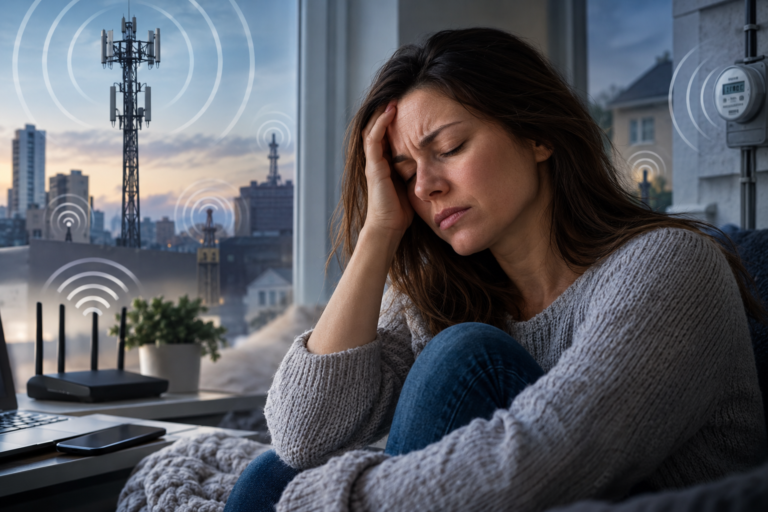
When people begin learning about electromagnetic fields in their home, one of the first tools they often purchase is an RF meter. It can be eye opening to walk through your home and watch the readings change near a WiFi router, cell phone, smart television, wireless security system, smart meter, or other connected device.
But there is something important to understand. An RF meter does not measure everything electrical or electromagnetic in your environment.
You might take an RF reading in your bedroom and see a relatively low number. That can be useful information, but it does not necessarily tell you what is happening with electric fields, magnetic fields, electrical noise on your wiring, or even high pitched sounds you may be hearing.
Understanding what your meter is actually measuring can help you investigate your environment more accurately and avoid assuming that one reading tells the whole story.
What Does an RF Meter Measure?
RF stands for radio frequency. An RF meter is designed to detect radiofrequency electromagnetic energy within the frequency range that particular meter can measure.
Common RF sources can include WiFi routers, cell phones, Bluetooth devices, wireless baby monitors, smart home equipment, smart meters, and wireless signals entering the home from outside sources.
Every RF meter has limitations. A meter may measure one range of frequencies while another meter covers a different range. This is why it is important to look at the specifications for the meter you own.
Environmental Health Trust provides information about RF meters as well as meters used for lower frequency electric and magnetic fields. These different instruments help illustrate an important point: RF, electric fields, and magnetic fields are not all the same measurement.
What Does Building Biology Look For?
I appreciate the broader approach used in Building Biology because it recognizes that our indoor environment can involve several different types of electromagnetic measurements.
Building Biology practitioners may evaluate radio frequencies, electric fields, magnetic fields, and what they call Microsurge Electric Pollution, commonly referred to as dirty electricity.
The Building Biology Institute teaches these as separate areas of measurement and includes RF measurement, electric and magnetic field evaluation, dirty electricity, smart meters, and other environmental factors in its electromagnetic radiation training.
That gives us an important lesson:
There is not one number on one meter that describes everything occurring in your home.
Some consumer EMF meters can measure several categories, but even then, you need to know which setting you are using and what that particular setting is designed to detect.
What Is Dirty Electricity?
Dirty electricity is a commonly used term for unwanted higher frequency components or electrical noise associated with the electrical wiring system.
Environmental Health Trust discusses electromagnetic interference, or EMI, in relation to dirty electricity and distinguishes it from radiofrequency EMF and lower frequency electric and magnetic fields. Potential sources can include electronic power supplies, dimmer switches, some lighting, chargers, inverters, variable speed motors, and other modern electrical equipment.
The Building Biology Institute also discusses electrical noise associated with electronics, switching power supplies, inverters, certain lighting, and other electrical equipment.
This is where confusion can occur.
You could walk into a room with an RF meter and receive a low RF reading while still having other electrical phenomena that the meter was never designed to measure.
That does not mean the RF meter failed. It means you asked an RF meter an electrical question it cannot necessarily answer.
What About Tinnitus and High Pitched Sounds?
Another concern I hear about is ringing, buzzing, humming, or a high pitched sound that seems difficult to locate.
Sometimes people describe this as tinnitus. Others believe they are hearing an actual sound coming from electronics, lighting, power supplies, or equipment around them.
These experiences should not automatically be treated as the same thing.
Tinnitus is the perception of sound when there is no external acoustic source. The National Institute on Deafness and Other Communication Disorders explains that tinnitus may be experienced as ringing, buzzing, roaring, or other sounds. It can have many possible causes, including hearing loss and exposure to loud noise.
An actual high pitched sound in the environment is different.
Some electrical and electronic equipment can produce audible tones, buzzing, or whining. An RF meter is not a sound meter, so it may not tell you anything about the acoustic sound you are hearing.
This is another example of why identifying what you are trying to measure matters.
Can High Pitched Sound Have Biological Effects?
Sound can affect the body, particularly when it is sufficiently loud or exposure continues for a significant amount of time. But we should be careful not to assume that every high pitched sound is harmful simply because of its frequency.
Frequency, sound level, duration, and distance all matter.
NIDCD explains that sufficiently loud sounds can damage sensitive structures within the inner ear, and noise exposure can contribute to hearing loss and tinnitus.
So if someone experiences persistent ringing or hears a high pitched sound, I would not automatically assume it is RF, dirty electricity, or any other single source. The better approach is to investigate.
Does the sound disappear when you leave the room? Does it stop outside the house? Does turning off a particular light, charger, appliance, or piece of electronics change it?
If the ringing remains regardless of environment, particularly if it is persistent, affects one ear, changes your hearing, or seems to pulse with your heartbeat, it is wise to discuss it with an audiologist, ENT, or other qualified health professional.
Electric and Magnetic Fields Are Different Again
Electrical wiring, appliances, electrical panels, power cords, and other powered equipment can also be associated with electric and magnetic fields.
Building Biology assessments treat these as separate measurements from RF and dirty electricity.
This can be particularly important in a bedroom.
For example, turning off WiFi might substantially reduce RF in the room. That is valuable information. But it does not tell you whether there are electric or magnetic fields associated with nearby wiring, appliances, or electrical equipment.
Again, we come back to the same question:
What are you actually measuring?
Using an RF Meter to Test Shielding
RF meters can be extremely useful when evaluating RF shielding.
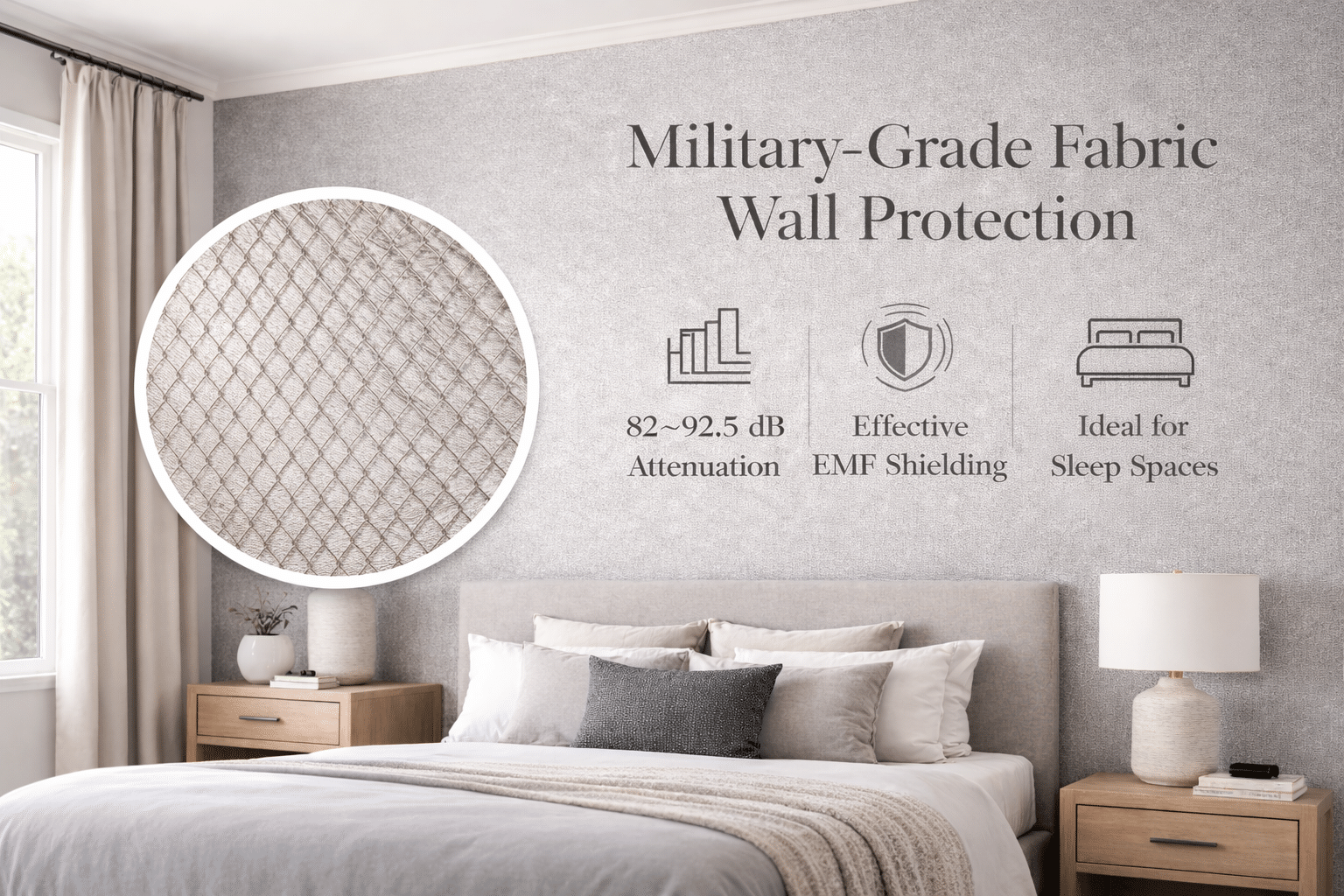
At Redemption Shield, we encourage people to measure before and after introducing shielding whenever practical. This might include evaluating shielding fabric, EMF shielding curtains, or an EMF bed canopy.
Try to keep the meter location and testing conditions as consistent as possible so you can make a meaningful comparison.
This is also why I don’t recommend using a cell phone connection as the only test of whether shielding is working.
A phone can sometimes maintain communication even when the available RF signal has been substantially reduced. Instead of asking only, “Does my phone still work?”, look at how the measured RF level changes before and after shielding.
That provides much more useful information.
The Right Tool for the Right Question
None of this means you need to fill your home with expensive meters.
It means we should understand the tools we use.
An RF meter can help you investigate wireless RF within its measurement range. Electric field and magnetic field measurements provide different information. Investigating electrical noise on wiring requires a different approach. And if you are trying to identify an actual high pitched sound, you may need an acoustic measurement rather than an EMF meter.
One meter does not necessarily tell the whole story.
Organizations such as Environmental Health Trust provide educational information about different sources and types of electromagnetic fields, while Building Biology offers a broader framework for examining multiple aspects of the indoor electromagnetic environment.
The goal is not to become frightened by every number or sound. It is to understand what you are observing and use the appropriate tool to investigate it.
Gina’s Thoughts
When I first began learning about EMFs, I quickly discovered that measuring your environment can be both empowering and confusing. You can walk through your house with a meter and suddenly see numbers everywhere. But those numbers become much more useful when you understand what they actually represent.
I have also heard from people who experience ringing, buzzing, humming, or high pitched sounds and are trying to understand what is happening around them. I think we need to listen to what people are experiencing without immediately deciding what is causing it.
It might be RF. It might involve electric or magnetic fields. There may be electrical noise worth investigating. There could be an actual acoustic sound coming from equipment. And sometimes ringing may be tinnitus that deserves a completely different type of evaluation.
That is why education matters so much to me.
Learn what your meter measures. Test your WiFi with it on and then off. Move farther from a source and watch what happens. Test shielding before and after. Pay particular attention to the places where you spend long periods of time, especially where you sleep.
A meter is a tool. It doesn’t need to create fear.
Used thoughtfully, measurement can help us better understand our environment and make practical decisions about the things we can control.
Gina Paeth
Founder & CEO, Redemption Shield®
Protect • Ground • Thrive
#RFMeter #DirtyElectricity #EMFMeter #EMFTesting #EMFMeasurement #BuildingBiology #EnvironmentalHealthTrust #Tinnitus #HighPitchedSound #ElectricalNoise #EMFAwareness #RadioFrequency #RFMeasurement #ElectricFields #MagneticFields #HomeEMF #HomeEMFTesting #MeasureEMF #EMFEducation #WirelessTechnology #WiFi #SmartMeters #EMFShielding #HealthyHome #RedemptionShield